
How AI in Safety Closes the "Between Events" Gap: A Guide for Safety Leaders
Most safety programs look solid on paper, yet injuries still happen—often in the quiet moments between audits and training. These gaps are where real risk hides, and where many programs lose grip. AI in Safety offers a way to keep frontline teams engaged every day, not just during scheduled checks. This guide shows how AI helps close that "between events" gap, turning safety culture into measurable action. Learn more about building a positive safety culture with technology.
Understanding the "Between Events" Gap

While formal safety checks are crucial, the moments in between carry unseen risks. These are the times when injuries often occur, catching teams off guard. Let's explore why these gaps matter.
Real Risks Beyond Scheduled Safety
Consider a typical workday. Scheduled safety audits and training sessions provide structure, but they don't cover every second. It's in the mundane, everyday tasks where risks can hide. A worker may skip a safety step on a Tuesday afternoon, or a small miscommunication might escalate into a bigger issue. These are the moments where the real danger lies, and where many safety programs fall silent.
To bridge this gap, AI in Safety offers a proactive approach. It helps identify patterns and potential hazards that might be missed during routine checks, ensuring that safety is a constant priority. By maintaining consistent engagement, AI can turn those quiet moments into opportunities for prevention.
Why Consistency Matters in Safety Programs
Consistency in safety programs is not just beneficial—it's essential. Imagine a program that only operates during audits or formal training. The rest of the time, workers might fall back into unsafe habits, increasing the risk of incidents.
Regular engagement keeps safety at the forefront of employees' minds, reinforcing positive behaviors. When safety becomes part of daily routines, it leads to a more robust safety culture and fewer workplace injuries. This is where AI shines, by ensuring that safety messages and reminders are consistently delivered, keeping teams engaged at all times.
Harnessing AI in Safety
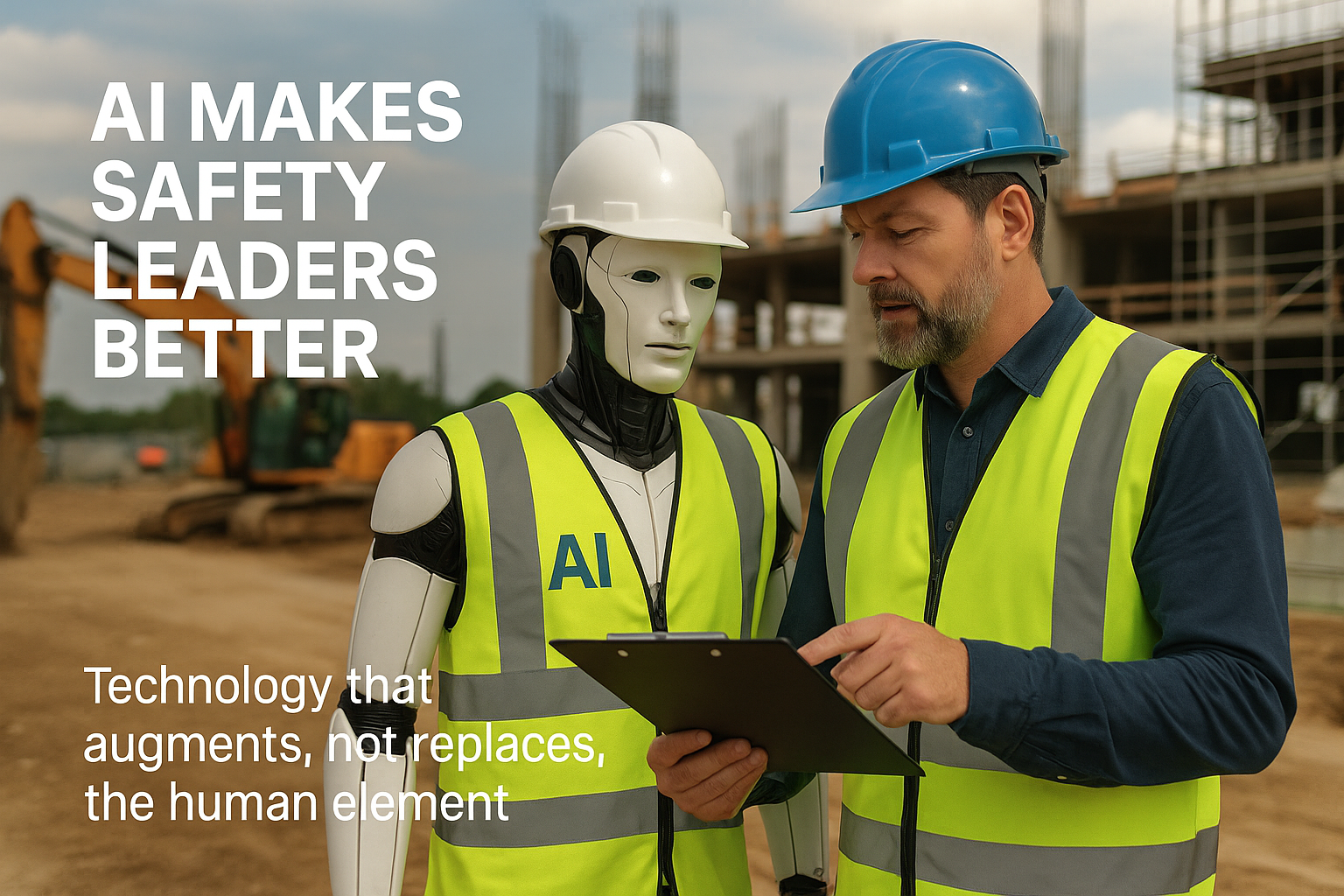
AI is transforming how safety programs operate by bridging the gap between scheduled events and everyday tasks. Here's how it's enhancing frontline safety engagement.
AI's Role in Frontline Safety Engagement
AI technologies are revolutionizing the way safety is managed on the frontline. By using data from various sources, AI can provide insights that help teams stay alert and aware. For instance, AI can analyze patterns in engagement data, identifying areas where safety practices might be slipping.
Moreover, AI allows for personalized safety messages and training based on specific roles and environments. This means that the right information reaches the right people at the right time, reducing the chances of accidents. By maintaining a continuous flow of communication, AI ensures that safety is never an afterthought. It becomes an integral part of the workday, keeping everyone informed and vigilant.
Practical Applications of AI in Safety Management
Let's dive into some practical ways AI is used in safety management. First, AI can prompt workers with simple questions to capture detailed information about incidents or near-misses. This leads to better reporting quality right from the source.
Additionally, AI can detect subtle patterns across different sites. For example, it might notice a drop in safety training participation before an increase in incidents. By identifying these trends early, teams can take preventive action. Lastly, AI helps busy leaders focus on what matters most by organizing risks based on impact, ensuring that critical issues are addressed promptly.
Overcoming Traditional Program Limitations

Traditional safety programs often fall short due to various challenges. Let's look at these issues and how leading indicators can provide a solution.
Common Challenges in Safety Participation
Participation in safety programs can vary greatly, creating inconsistencies that lead to risks. For instance, some teams might complete training regularly, while others lag behind. This inconsistency can result in knowledge gaps and unsafe practices.
Moreover, many programs rely on outdated tools that are cumbersome and difficult to use, discouraging frontline workers from participating. When tools are admin-focused, it's easy for the real needs of the workforce to be overlooked. It's crucial to have a system that is user-friendly and accessible to everyone, ensuring that safety remains a priority.
The Power of Leading Indicators
Leading indicators are like early warning signs in safety management. They provide insights into potential risks before incidents occur, allowing teams to take preventive action. For example, tracking near misses or monitoring the completion rate of safety training can reveal underlying issues.
Using these indicators, leaders can make informed decisions to improve safety practices. They shift the focus from reacting to incidents to preventing them, creating a proactive safety culture. By implementing leading indicators, organizations can ensure that safety programs deliver tangible results, protecting both employees and the bottom line. Learn more about recognizing leading indicators on the OSHA website.
Enhancing Safety with modONE

modONE is at the forefront of closing safety gaps. Let's explore how this platform is making a real impact on safety metrics.
modONE is at the forefront of closing safety gaps.
modONE eliminates barriers to safety engagement by delivering content directly to workers through familiar channels like SMS and email. This approach ensures that safety messages are received and acted upon, even in environments where app downloads are impractical.
By sending reminders and micro-lessons, modONE keeps safety top of mind. This continuous engagement helps close the gaps between scheduled events, making safety a consistent focus. With modONE, organizations can maintain a proactive safety culture, reducing the risk of incidents and improving overall safety outcomes.
Real-World Impact of modONE on Safety Metrics
The impact of modONE on safety metrics is impressive. Customers have reported a 41% reduction in injury frequency and a 27% decrease in costly indemnity claims. These results are achieved by maintaining high levels of engagement and leveraging leading indicators to address potential risks proactively.
modONE's ability to deliver safety messages consistently has led to significant improvements in safety culture. High-engagement sites show near-zero claims, highlighting the effectiveness of this approach. By focusing on real-world outcomes, modONE helps organizations achieve measurable safety improvements.
Building a Proactive Safety Culture
Creating a proactive safety culture is essential for reducing workplace injuries. Here's how leading indicators and technology play a role.
Implementing Leading Indicators for Prevention
Leading indicators provide the insights needed to prevent incidents before they occur. By tracking key metrics, organizations can identify areas of concern and take corrective action. This proactive approach reduces the likelihood of injuries and enhances overall safety.
For example, monitoring participation in safety training can reveal gaps in knowledge. By addressing these gaps, organizations can ensure that employees are well-informed and prepared to handle potential risks. Leading indicators are a powerful tool for building a proactive safety culture that prioritizes prevention.
Continuous Engagement Through Technology
Technology plays a crucial role in maintaining continuous engagement in safety programs. Tools like modONE make it easy to reach workers with timely safety messages and training. By delivering content directly through accessible channels, technology ensures that safety remains a top priority.
Continuous engagement keeps safety at the forefront of employees' minds, reinforcing positive behaviors and reducing the risk of incidents. With the right tools in place, organizations can create a safety culture that is proactive and effective, protecting both employees and the bottom line.
By focusing on these elements, businesses can foster a safer, more engaged workforce ready to tackle the challenges of their environment.
Q: What is a leading indicator in safety?
A: A leading indicator is a proactive measure such as near-miss reporting, participation rates, or safety observations that helps identify risk before injuries occur.
Q: Can AI replace safety professionals?
A: No. AI supports decision-making and trend detection, but safety leadership, judgment, and accountability remain human responsibilities.
Q: How does AI improve safety engagement?
A: AI helps surface patterns, improve reporting quality, and prioritize risk signals, but engagement still depends on relevance, simplicity, and consistency.
Q: Is AI safe to use in workplace safety programs?
A: Yes, when it is controlled, auditable, and used to support people rather than replace them.
About the Author
John Turner is the Chief Commercial Officer (CCO) at modONE, where he leads go-to-market strategy, partnerships, and growth across high-risk industries including construction, manufacturing, logistics, transportation, and warehousing.
With more than 30 years of experience in SaaS, safety technology, and risk management, John has worked alongside employers, brokers, and safety professionals to help organizations move beyond compliance and build measurable, engagement-driven safety cultures. His work focuses on the practical application of behavioral science, leading indicators, and technology to reduce injuries, lower workers’ compensation costs, and improve frontline participation.
At modONE, John helps shape the company’s AI-enabled but human-centered approach to safety, emphasizing trust, auditability, and real-world usability over hype. He is a frequent contributor on topics including safety engagement, leading indicators, AI in EHS, and the “between audits” gap where most injuries occur.
John is passionate about one outcome above all others: helping workers go home safe at the end of every shift.