
modBLOG: elevate your safety culture.
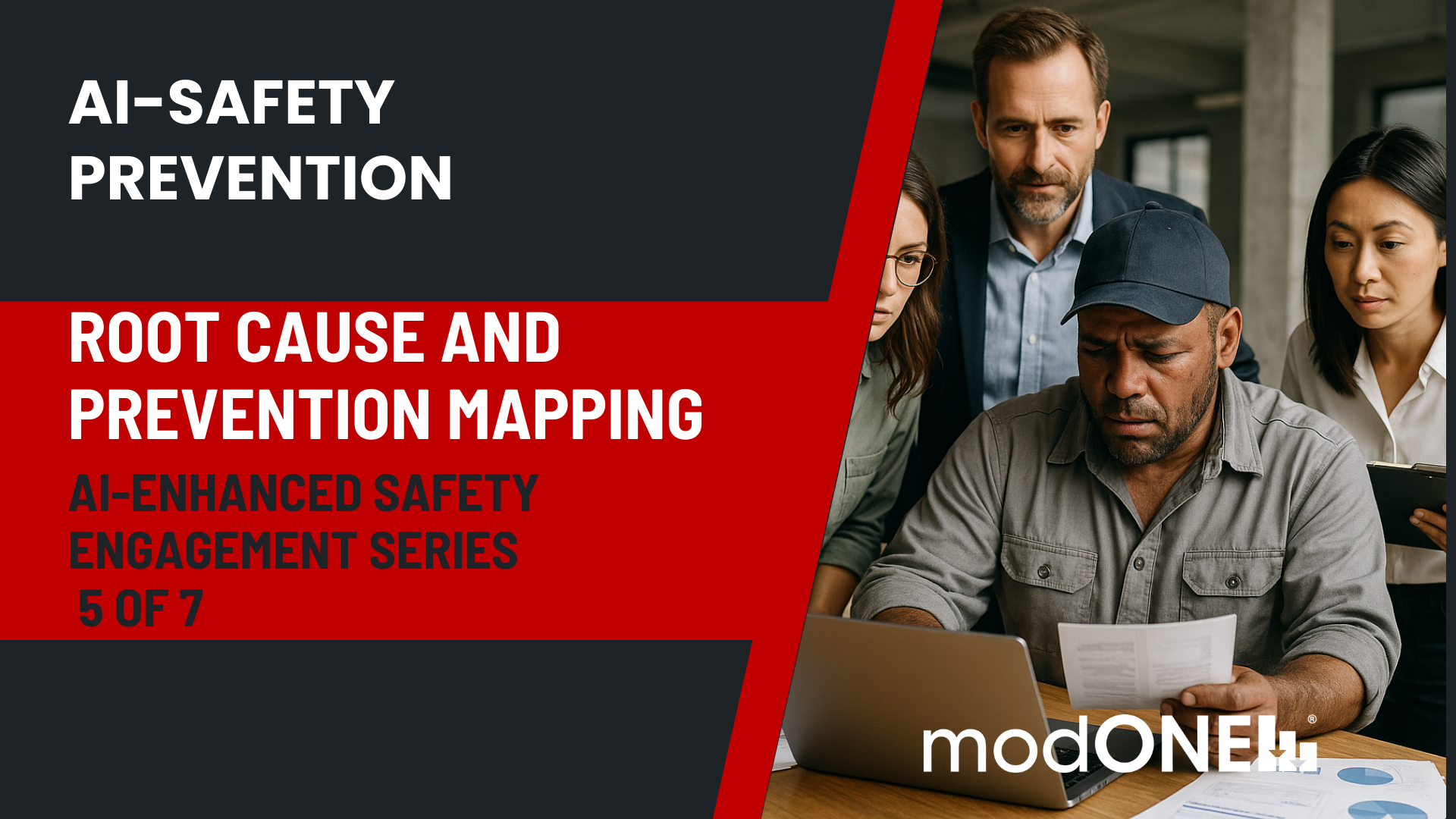
AI-Assisted Root Cause and Prevention Mapping
Root cause analysis often stops at “human error,” which is why the same incident types keep repeating. In this post, we explain how AI-assisted prevention mapping connects incident patterns to underlying system conditions by combining investigation data with frontline engagement signals and MCI-style trends. You’ll learn how to shift from blame to predictive prevention, use behavioral cohort insights to target interventions, and measure whether corrective actions are actually reducing repeat exposure.
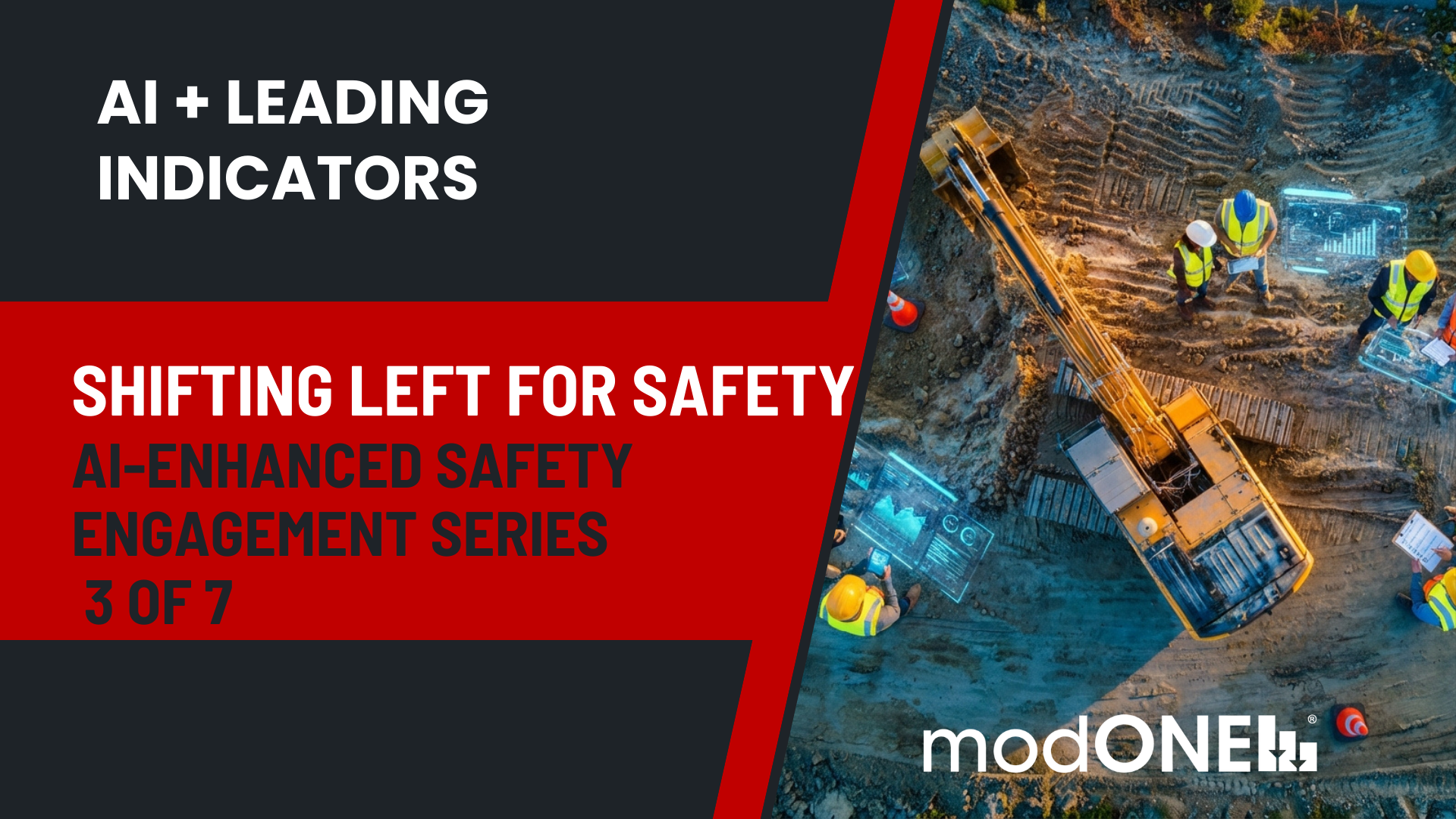
AI + Leading Indicators: Shifting Left for Safety
Leading indicators are the earliest proof that your safety program is working between audits. Part 3 explains which indicators matter, how AI helps surface trends early, and how to turn signals into prevention.
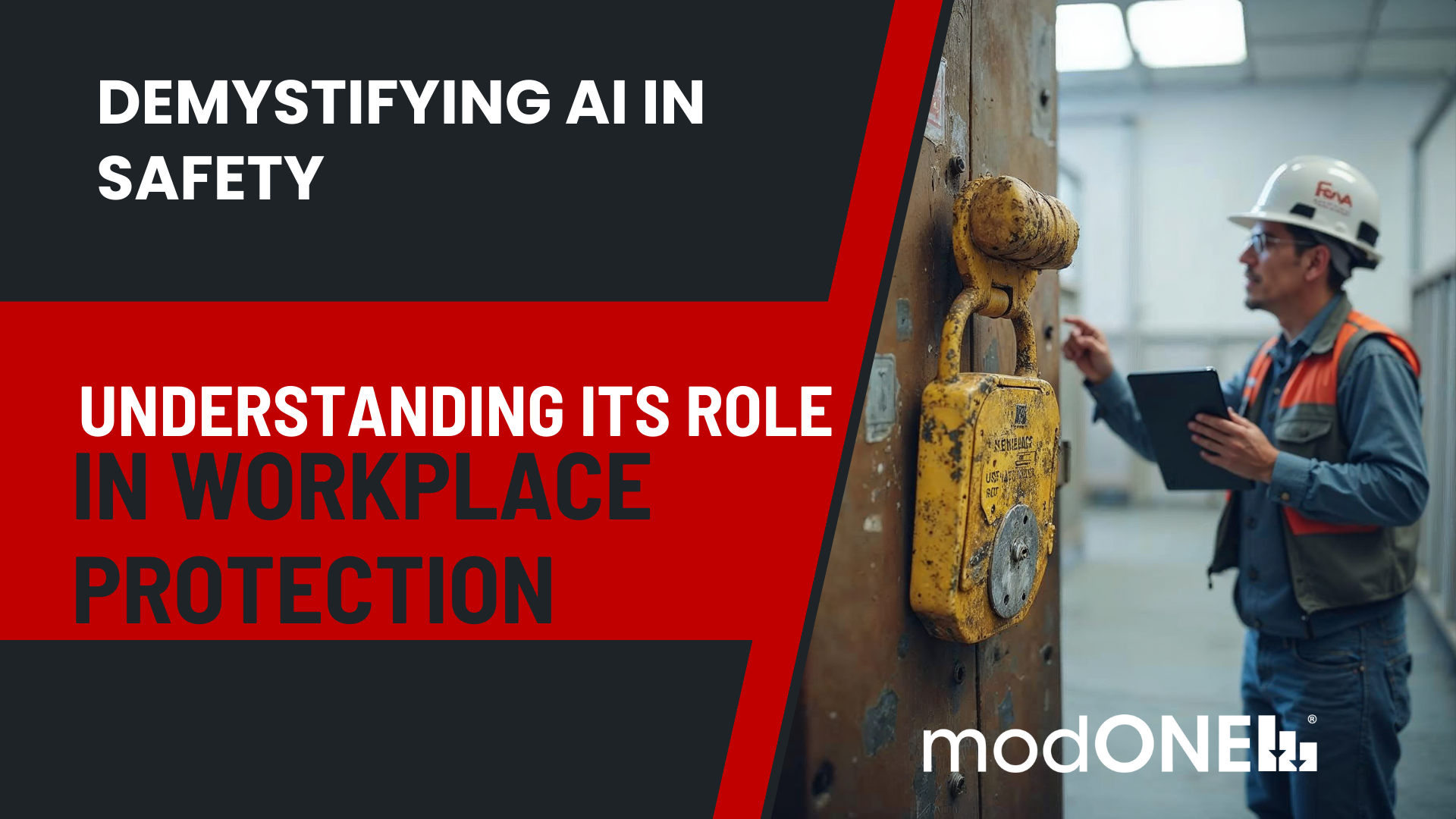
Demystifying AI in Safety: Understanding Its Role and Potential in Workplace Protection
AI is showing up everywhere in safety conversations, but most of the messaging is either overhyped or overly technical. This article breaks AI down in plain English, explaining what it actually does in a safety program, what it should never be expected to do, and how it can support engagement and leading indicators without replacing safety leadership.
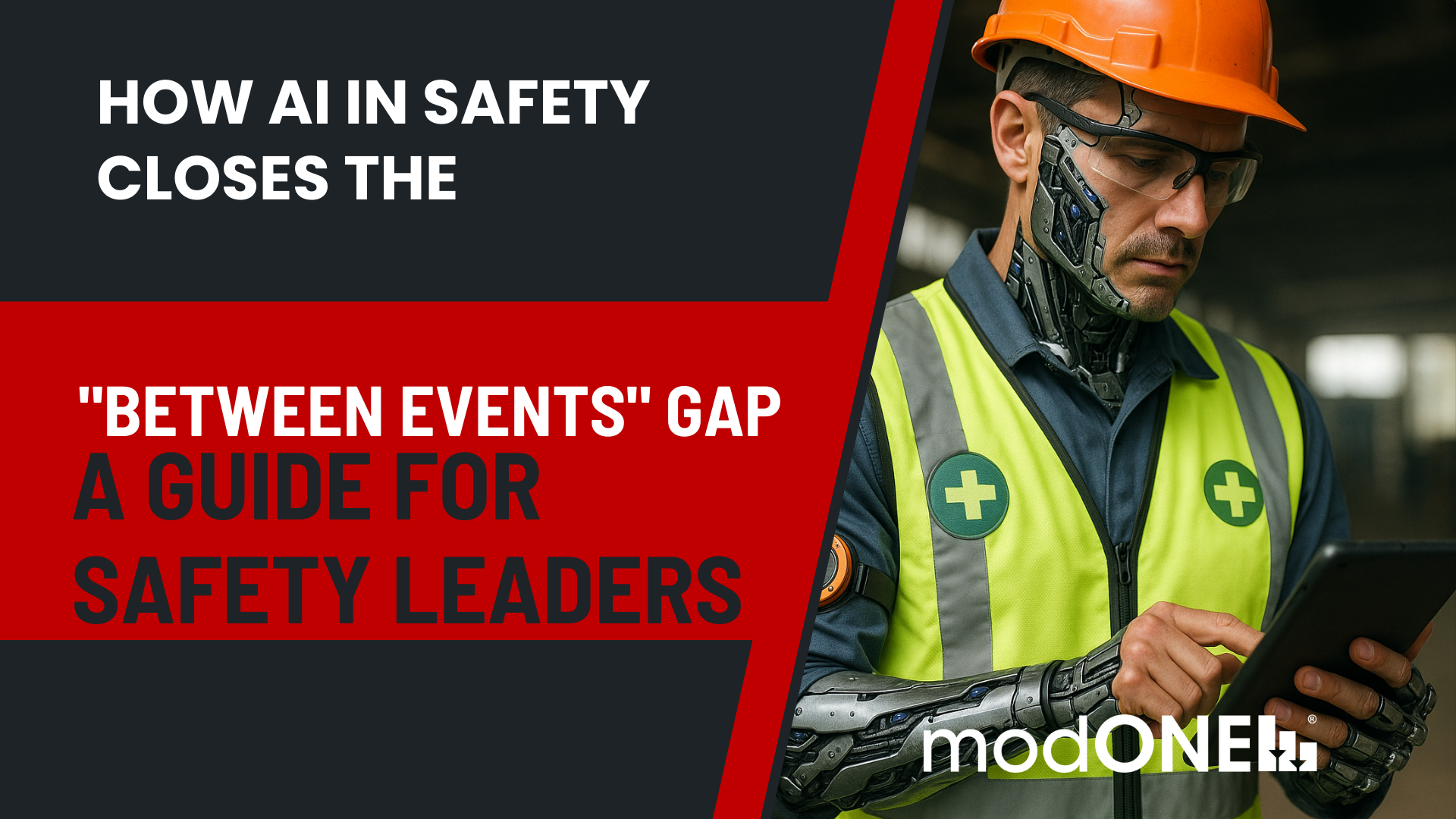
How AI in Safety Closes the "Between Events" Gap: A Guide for Safety Leaders
AI is reshaping workplace safety by strengthening engagement, surfacing leading indicators earlier, and closing the gap between audits and real-world risk. Learn how safety leaders can use AI responsibly to move from reactive compliance to proactive prevention.
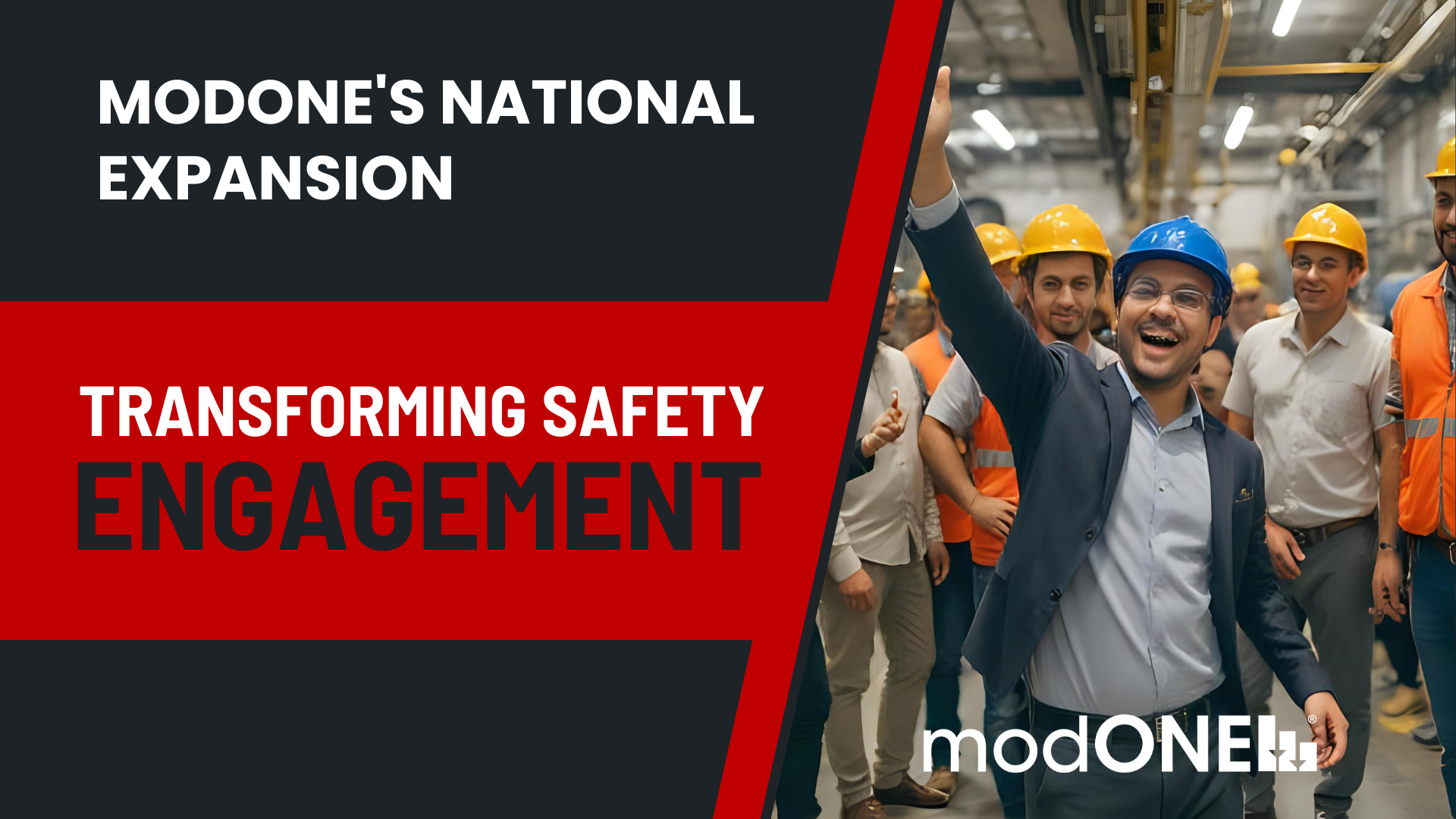
modONE's National Expansion: Transforming Safety Engagement for Distributed Workforces
modONE announced continued national expansion driven by rising demand for AI-enabled, real-time frontline safety engagement. Serving construction, logistics, and manufacturing, modONE delivers app-free safety communications via SMS, email, and QR codes. The platform has surpassed one million safety engagements, helping employers improve participation, visibility, and measurable safety outcomes without adding administrative burden.