
Unlocking Safer Workplaces: A 30-Day Plan to Slash Injuries and Comp Costs
Most safety programs often fall short due to a lack of worker engagement. Reducing injuries or workers’ compensation costs is not achievable with mere annual training sessions or perfunctory tasks. This 30-day plan outlines how to foster real-time safety engagement, resulting in fewer claims and reducing both frequency and severity. Continue reading to discover what should be tracked weekly and how modONE can help transform safety culture into tangible cost savings. For further insights, visit this link.
The Importance of Real-Time Safety Engagement

Safety Leader Sending Real-Time Training
Consistent Frontline Engagement
Imagine a team that is not only familiar with safety protocols but actively engages with them. Consistent engagement makes this a reality. By prioritizing daily interactions, safety becomes a relevant and urgent matter. It’s not about adding more tasks; it’s about changing the perception of safety.
Many people believe that annual training suffices, but it does not. Regular touchpoints are necessary to reinforce crucial safety messages. This is where modONE excels, providing micro-lessons via SMS or email to keep safety top of mind without overwhelming your team.
Consider a construction site receiving daily safety reminders. Workers are more likely to remember and implement these guidelines, thereby reducing accidents. It’s about creating a culture where safety is instinctive and automatic.
Leading indicators are proactive measures signaling potential risks before they lead to injuries. Think of them as your workplace's early warning system. Unlike lagging indicators, which reveal issues post-occurrence, leading indicators enable preventive action.
Tracking these indicators can significantly curtail injuries. For example, monitoring the frequency of safety meetings or equipment checks can highlight areas that require attention. This proactive approach allows for intervention before issues escalate.
In industries such as logistics, where timely interventions are crucial, recognizing these patterns is vital. A small increase in near-miss reports can trigger immediate action, preventing future incidents. By concentrating on these proactive measures, you protect your workers and strengthen your safety culture.

30-Day Plan to Reduce Injuries
Week 1: Conduct a safety audit to identify current gaps in your protocols. It may seem daunting, but it’s fundamentally about assessing your current position.
Week 2: Implement daily safety messages using modONE to send concise reminders or tips. These micro-lessons keep safety at the forefront without consuming much time.
Week 3: Establish a feedback system to encourage workers to report near misses or hazards. A simple suggestion box can foster a culture of open communication.
Week 4: Review and refine. Assess the feedback and adjust safety protocols as necessary to ensure ongoing and responsive improvements to real-world needs.
To determine if your plan is effective, measuring progress is essential. Start by tracking participation rates in safety activities. Are more people attending meetings or completing training?
Then, monitor incident reports. A decline in accidents or near misses is a positive indicator. Remember, consistency is vital. Regularly reviewing these metrics ensures sustained improvements.
By focusing on these measurable outcomes, you can demonstrate the effectiveness of your safety initiatives. This not only reduces injuries but also fosters a culture of safety that empowers your team.
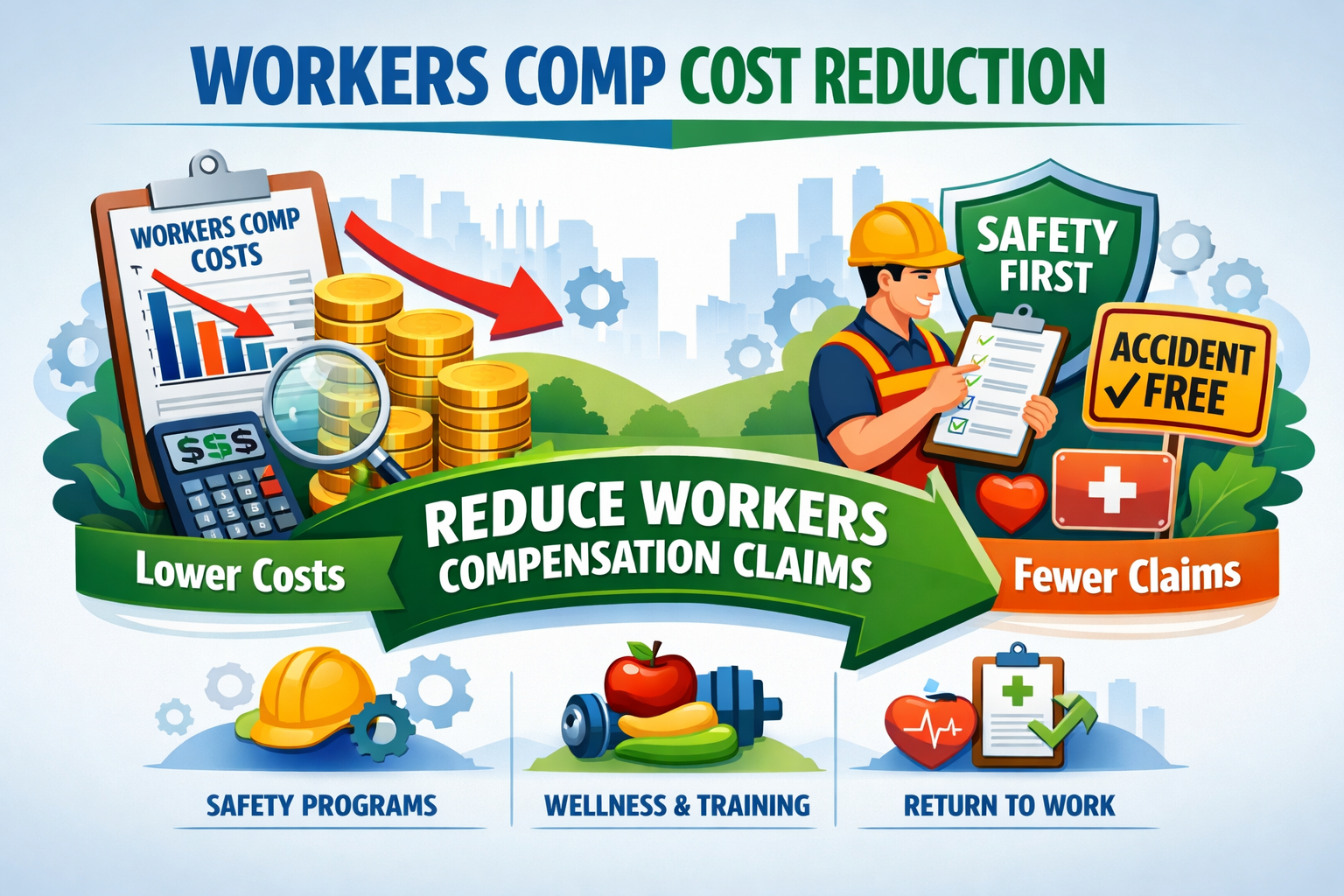
Effective safety engagement is about more than preventing injuries; it’s also about financial savings. Let’s explore how enhancing safety can result in financial gains.
Lowering Workers’ Compensation Costs
Reducing injuries directly influences workers' compensation costs. Fewer claims translate to lower premiums, saving your business substantial amounts annually. According to Pinnacol, prioritizing worker health can significantly reduce these expenses.
By maintaining a proactive safety culture, you can sidestep the financial burden of frequent claims. It’s not merely about compliance; it’s about creating a safer, more cost-effective work environment.
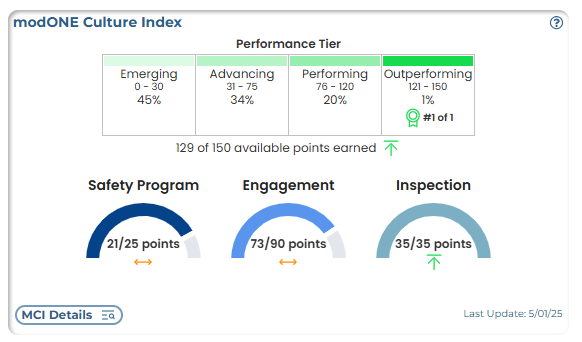
A robust safety culture benefits everyone, boosting morale, enhancing productivity, and reducing turnover. When workers feel safe, they’re more engaged and motivated.
Most presume that safety culture is intangible, but it is measurable. Utilize tools like the modONE Culture Index to track engagement levels. This helps pinpoint areas for improvement, ensuring safety remains a priority.
In summary, concentrating on real-time engagement and leading indicators not only reduces injuries but also translates into concrete cost savings. By adhering to this 30-day plan, you can transform your safety culture and achieve superior outcomes for your business and employees.