
Streamlining Safety: The Role of AI in Effective Near-Miss and Incident Reporting
AI-Enhanced Safety Engagement Series – Part 4 of 7
In Part 1, we framed the “between events” gap, the daily reality where work happens and risk shows up long before an audit or report catches it.
In Part 2, we removed the hype and defined AI in plain English. AI is useful when it supports pattern recognition, trend detection, and better decisions. It is not a replacement for safety professionals, and it should never be a black box running your program.
In Part 3, we focused on leading indicators and shifting left, because the earliest signals of risk are almost always visible before injuries show up in lagging metrics.
Now in Part 4, we get into one of the most practical places AI can help immediately: near-miss and incident capture. Not by making reporting feel like paperwork, but by improving the quality of what gets captured so leaders can act faster and prevent repeats.
OSHA strongly encourages employers to investigate not only incidents where injuries occur but also “close calls” or near misses, as they reveal hazards before they escalate into real injuries. The issue with many near-miss and incident reporting systems isn't a lack of concern from people. Instead, these systems falter because the reporting experience is cumbersome, the questions resemble forms, and the resulting data is often vague and does not lead to prevention.
Near-miss and incident reports frequently arrive vague or incomplete, leaving safety teams struggling to piece together the actual events. This results in delays, generic solutions, and a reporting culture that feels more like a burden than a tool. AI-driven near-miss reporting transforms this by providing workers with simple, timely prompts that capture clearer facts. This leads to quicker insights and more effective actions to eliminate hazards before they cause harm. For further best practices on near-miss reporting, you can visit this guide.
Enhancing Near-Miss Reporting with AI
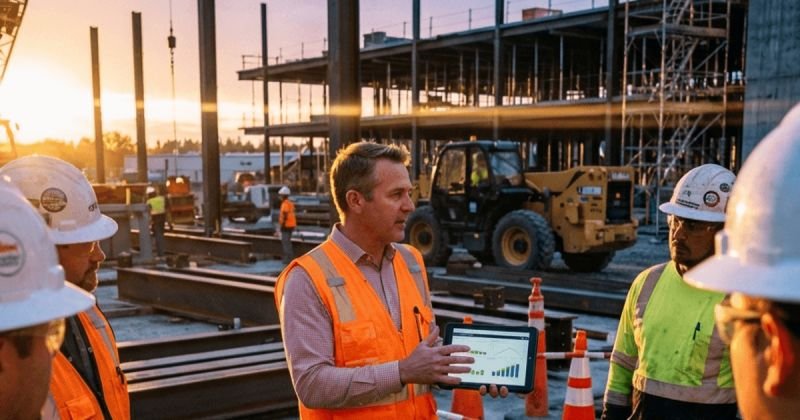
The world of safety reporting is evolving, and AI is at the forefront of this transformation. Let's explore the challenges workers face and how AI can help solve them.
Identifying Real-World Challenges
Many safety teams struggle to gather useful incident reports. Workers often submit vague descriptions like "almost got hit" or "slipped but caught myself." These reports lack detail, making it hard for supervisors to act. The problem isn't that workers don't care. It's that the reporting process can be cumbersome and unclear. When reports are incomplete, safety teams can't pinpoint issues or take targeted actions. This leads to generic solutions that might not prevent future incidents. Workers also feel that their reports vanish into a void, leading to low participation.
For effective reporting, details matter. According to OSHA's guidance, a high-quality report should answer three key questions: What happened? What factors contributed? What must change? Simple, clear questions help gather necessary context. This approach ensures safety actions are specific and effective.
The Role of AI in Reporting
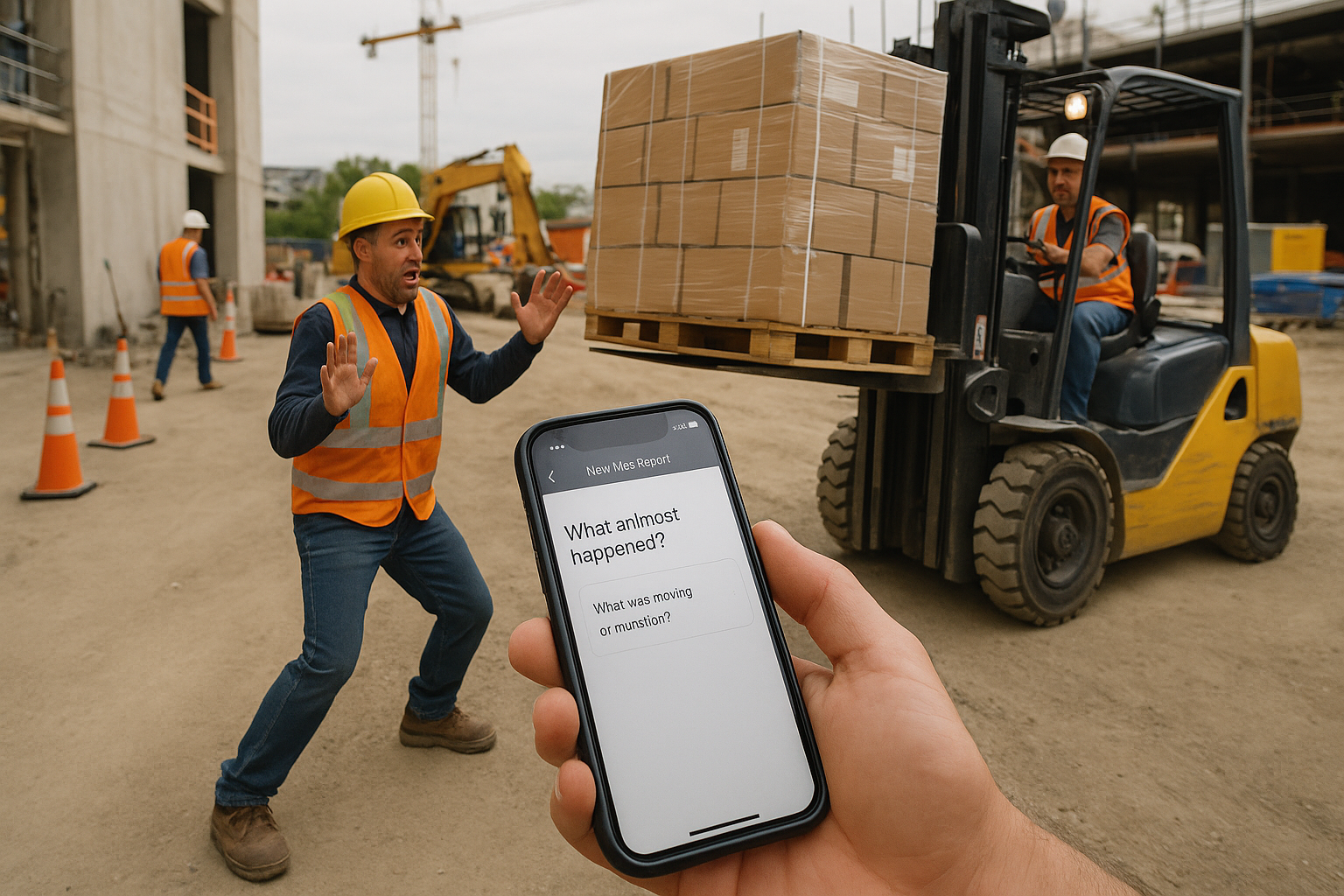
The world of safety reporting is evolving, and AI is at the forefront of this transformation. Let's explore the challenges workers face and how AI can help solve them.
AI as a Smart Guide
Imagine AI as your assistant, prompting you with questions that matter. When reporting an incident, AI doesn't just gather data. It guides workers to think critically about the situation. This is crucial because understanding the conditions and factors at play can prevent future incidents. AI can prompt workers with questions like, "What task were you doing?" or "What changed right before the incident?" By collecting these insights, AI helps supervisors act quickly and effectively.
AI also simplifies reporting by using technology that workers already have. Whether it's via SMS or a QR code, AI ensures that reporting fits seamlessly into daily routines. This approach not only improves data quality but also boosts participation.
Behavioral Prompts for Better Accuracy
Accurate reporting hinges on trust and clarity. Workers won't report if they fear blame. AI uses neutral language to gather facts, not fault. For example, AI might ask, "Was anyone else nearby?" or "What would prevent this next time?" These questions encourage honesty and focus on improvement. AI's role doesn't end with collecting data. By analyzing patterns, it helps identify potential risks before they escalate. This proactive approach aligns with leading safety indicators that focus on prevention.
Improving Incident Capture and Follow-Up
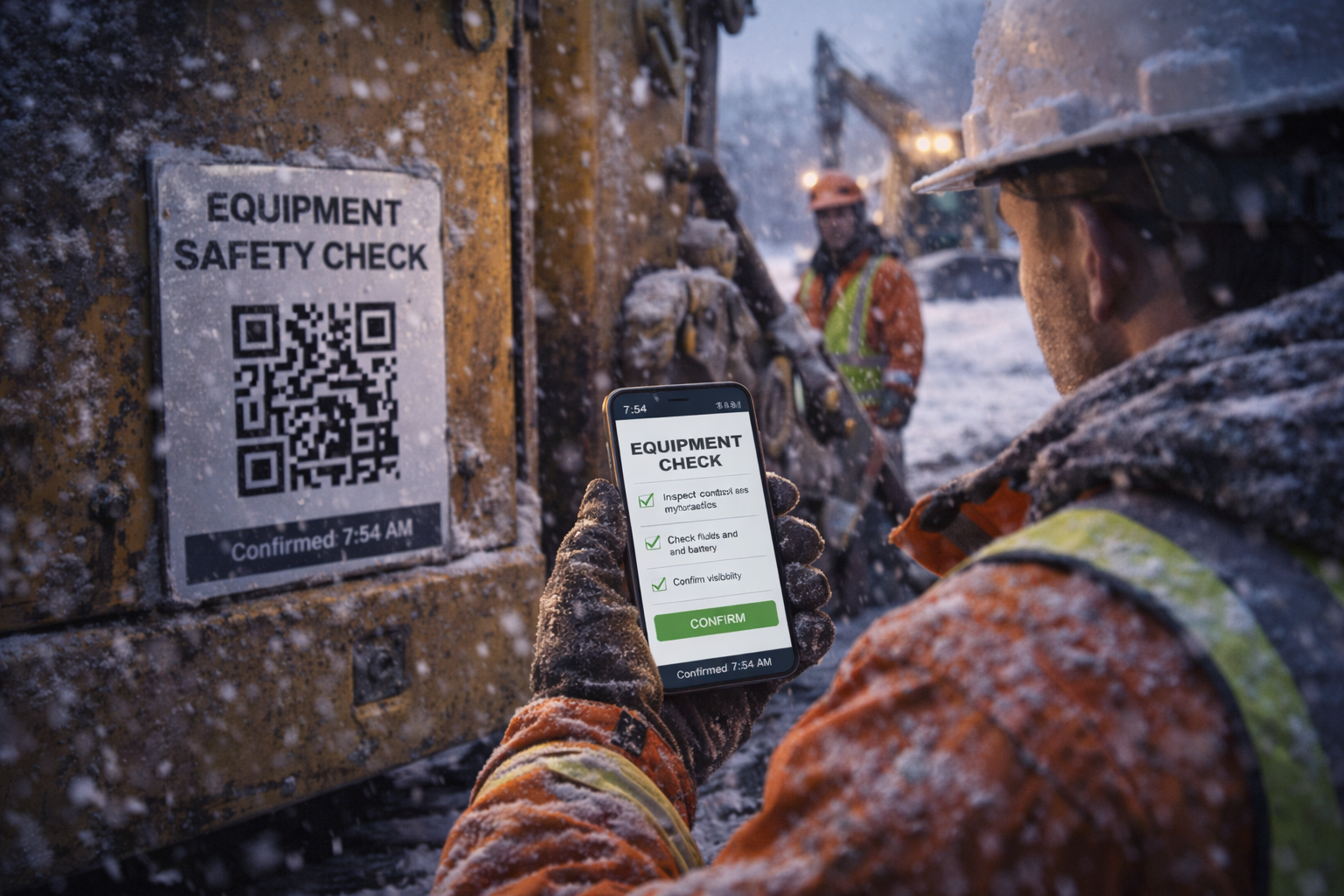
User-friendly systems and effective workflows ensure that incident reporting isn't just about data entry. It's about meaningful change.
User Experience in Reporting Systems
The user experience can make or break a reporting system. If it's complex or time-consuming, workers will avoid it. The best systems are intuitive and quick. They ask one question at a time, allowing users to respond easily. Workers should be able to report incidents using their preferred method, whether it's via SMS, email, or a simple web form. This flexibility ensures that reporting becomes a natural part of the workday. Effective systems also provide feedback to workers, reinforcing their role in safety and building trust.
Practical AI-Supported Workflows
AI can transform how reports are handled. By routing reports based on urgency and exposure type, AI ensures that critical issues receive immediate attention. This approach reduces the time spent on triage and allows safety teams to focus on solutions. AI also helps standardize the information collected, ensuring consistency across the board. This standardization simplifies analysis and helps identify trends. Over time, these insights lead to more effective safety measures and a reduction in incidents.
The Prevention Chain in Safety Management
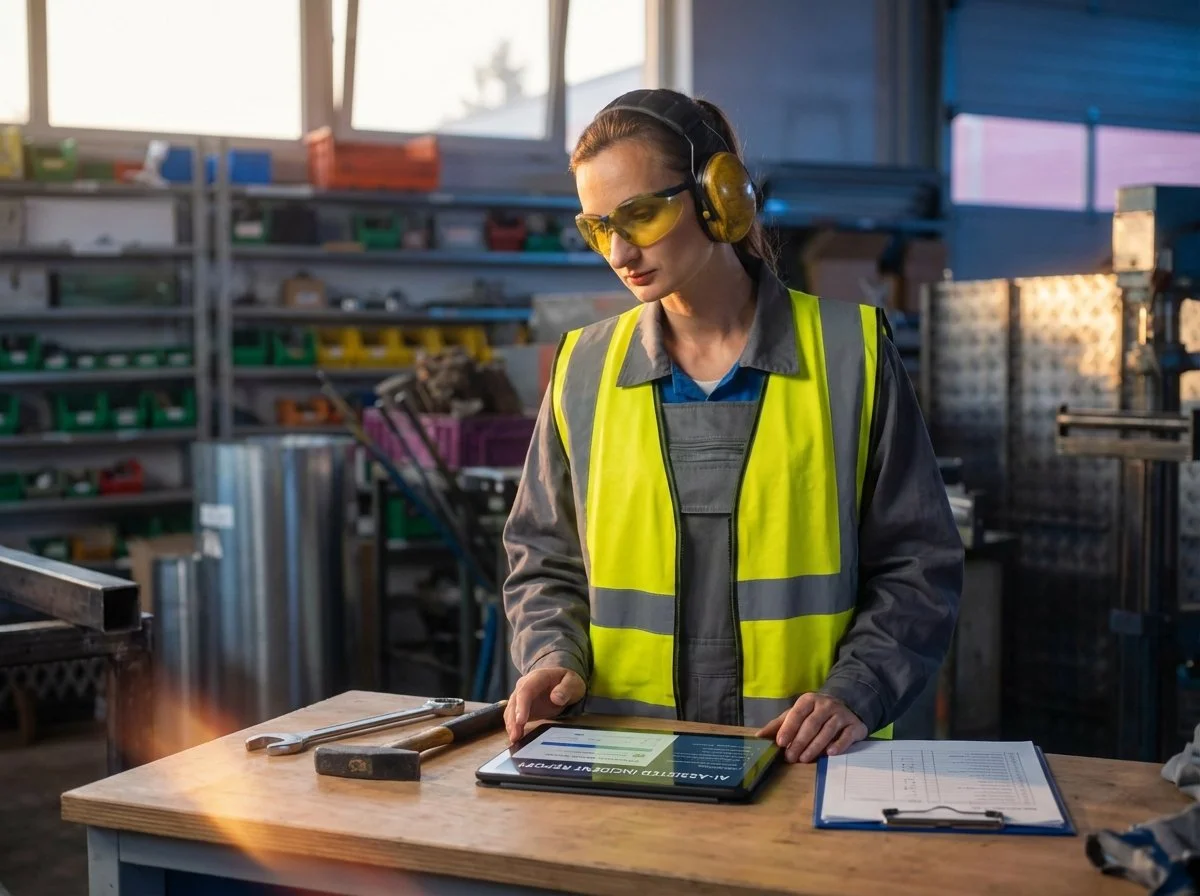
Capturing data is just the beginning. The real value lies in how this data drives actions and prevents future incidents.
From Capture to Corrective Actions
When reports are detailed, safety leaders can quickly identify patterns and implement corrective actions. This proactive approach stops minor issues from becoming major problems. The goal is clear: fewer injuries and a safer workplace. The prevention chain starts with quality data and ends with targeted actions that address the root causes of incidents. According to the Campbell Institute, closing the loop with corrective actions is vital for effective safety management.
Closing the Loop for Continuous Improvement
Continuous improvement relies on feedback and follow-through. Once corrective actions are implemented, it's crucial to communicate this back to the workers involved. This not only builds trust but also encourages future reporting. A transparent process where workers see the impact of their reports fosters a culture of safety. It shows that their input matters and leads to tangible improvements. Over time, this approach strengthens the safety culture and reduces incident rates.
Next Steps in the AI Safety Series
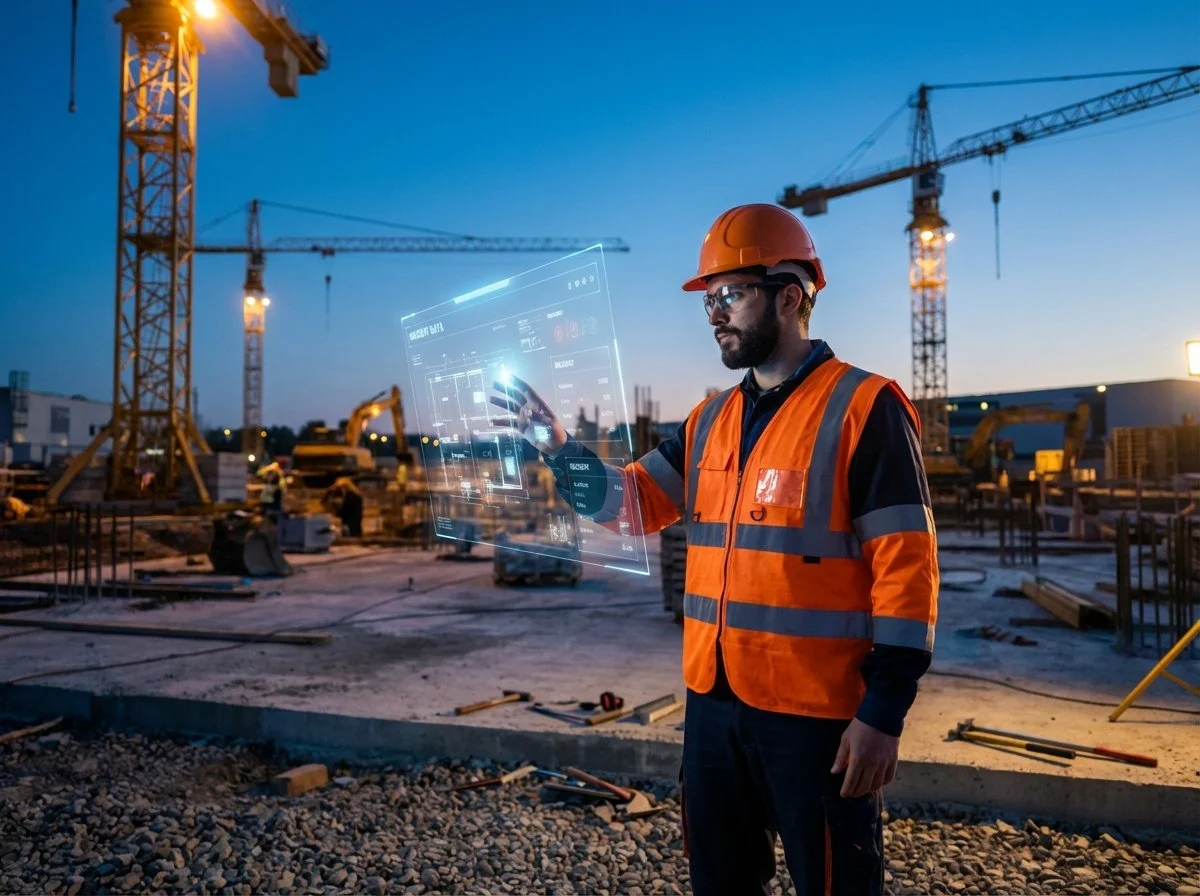
We've explored how AI enhances near-miss reporting. But there's more to learn about AI's role in safety management.
Preview of Part 5
Part 5 will explore AI-assisted root cause and prevention mapping differently from standard incident reviews. Instead of focusing on “human error” or singular mistakes, we’ll demonstrate how AI links incidents and near-misses to recurring system issues, especially by combining investigation data with frontline engagement signals and MCI-style patterns over time. The aim is to move from blame to prevention by recognizing behavior groups, participation patterns, and recurring risks early enough to act before the next incident occurs.
Engaging with modONE for Better Safety
For those seeking a practical guide to better reporting, modONE offers resources tailored to your needs. From increasing participation to improving accuracy, modONE's engagement platform ensures that safety is more than just a checkbox. Explore more about modONE's approach to safety at modONE.
About the Author
John Turner is the Chief Commercial Officer at modONE, where he focuses on helping organizations improve safety outcomes through consistent, frontline engagement and measurable leading indicators. He works closely with safety leaders, brokers, and risk professionals across construction, manufacturing, logistics, and other high-risk industries to modernize safety programs without adding administrative burden.
John’s work centers on practical safety execution, bridging the gap between compliance requirements and real-world behavior on jobsites and shop floors. He is particularly focused on how engagement, simplicity, and responsible use of technology can reduce incidents, improve culture, and support defensible safety programs.
You can explore more of John’s writing on safety engagement, leading indicators, and risk reduction on the modONE blog